Small Clean Energy Infrastructure Permitting and Zoning
Latest Update
Questions on the adopted zoning can be submitted to: [email protected]
Overview
The City of Boston is currently drafting a new permitting process and zoning amendments for Small Clean Energy Infrastructure. This initiative aligns with the City’s and the Commonwealth’s broader climate goals to achieve net zero carbon emissions by 2050, increase resilience, and modernize the electrical grid.
The 2024 Act Promoting a Clean Energy Grid, Advancing Equity, and Protecting Ratepayers (“2024 Climate Act” or the"Act”) requires the City of Boston to adopt a Consolidated Permit Pathway for Small Energy Infrastructure (CMR 29.00) to achieve our emissions goals. To offer this optional pathway to developers, the City of Boston must amend its review process and zoning code for this type of infrastructure, to abide by the new Consolidated Permit Pathway (CMR 29.00) taking effect on October 1, 2026.
Note: Large Clean Energy Infrastructure Projects (e.g. Substations and Battery Energy Storage over 100 MWh) are subject to state Energy Facilities Siting Board (EFSB) review and approval.
Proposed Updates
The draft zoning amendments will be designed to comply with CMR 29.00. The primary goal is to create a clear, regulated framework for small clean energy projects to meet climate resilience goals
-
Consolidated Permit Process: As required by CMR 29.00, this path establishes standard conditions, criteria, and procedures for the efficient siting and permitting of small-scale clean energy projects. Under this pathway, a final permit decision must be issued within one year.
Small Clean Infrastructure Types
The new framework applies to the following Small Clean Energy Infrastructure:
-
Battery Energy Storage Systems (BESS): Storage capacity less than 100 MWh.
-
Solar Installations: Generation capacity less than 25 MW.
-
Anaerobic Digestion Facilities: Less than 25 MW.
-
Wind Facilities: Less than 25 MW.
-
Transmission & Distribution:
-
New or substantially altered electric transmission lines located in an existing corridor (up to 10 miles long).
-
New or substantially altered electric transmission lines located in a new corridor (up to 1 mile long).
Timeline
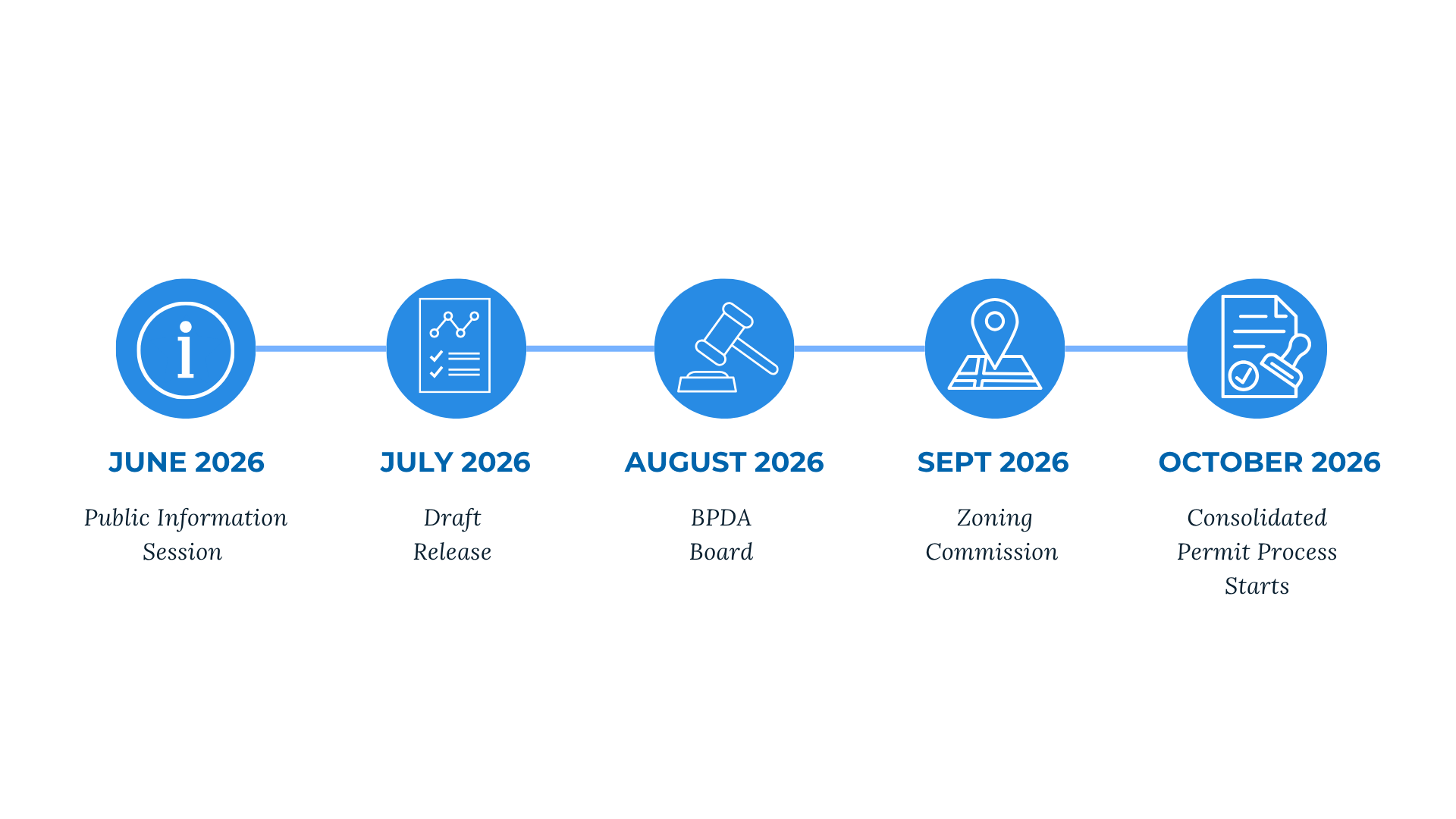
Engagement
Click on the event date to view details and materials.
Clean Energy Infrastructure Zoning and Permit Reform Initiative: Draft Zoning Release Virtual Meeting
Clean Energy Infrastructure Zoning and Permit Reform Initiative: Information Session